
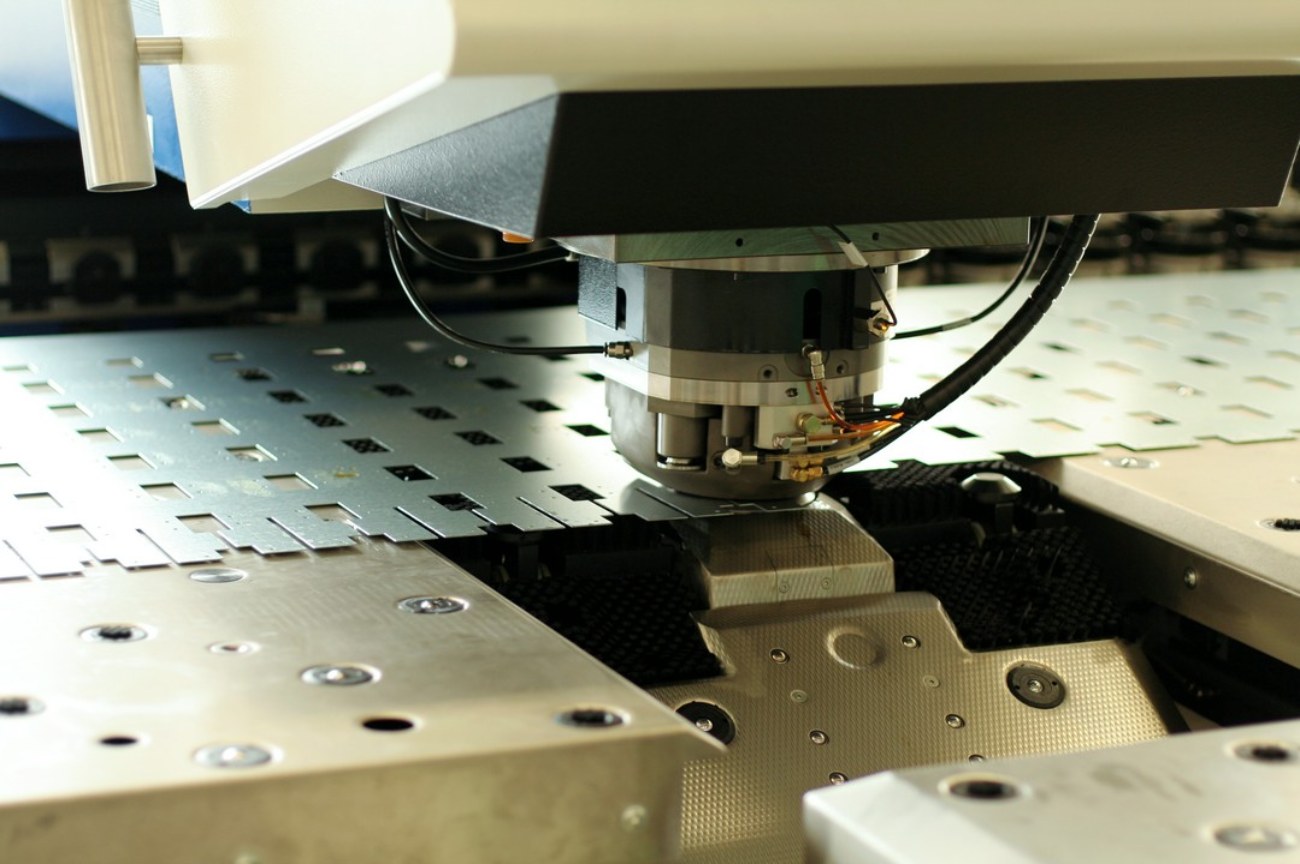
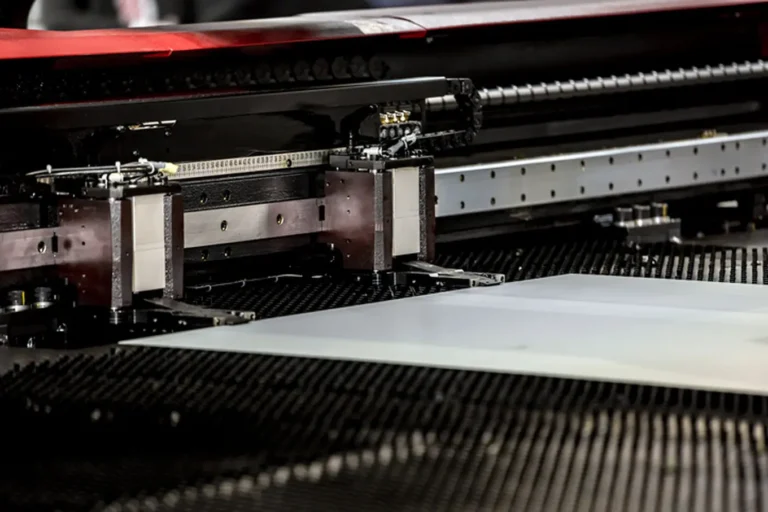
Choosing the right metal punching machine can be crucial to the success of your business. Before making a purchase decision, it is therefore worth considering a few key points that will help you make the right choice. In the article below, we’ll discuss the most important factors to bear in mind when looking for the best metal punching machine. We hope you enjoy reading it!
Type of material being machined
The first thing to consider is the type of metal you intend to work with. Different metals have different properties and require the use of appropriate technologies and tools. For example, if you’re planning to cut steel sheets, you might want to consider buying a hydraulic or mechanical shearing machine. For working with aluminium or copper, on the other hand, a pneumatic machine would be more suitable.
Maximum sheet thickness
Another important factor is the maximum thickness of the sheet metal you intend to cut. This is because punching machines differ in their ability to handle specific material thicknesses. Before buying, it is therefore worth checking whether a particular machine is capable of meeting your requirements, is characterised by its durability and resilience, even under heavy use. Remember that the greater the performance and precision of the device, the greater the growth potential for your business.
Workplace ergonomics and operating costs
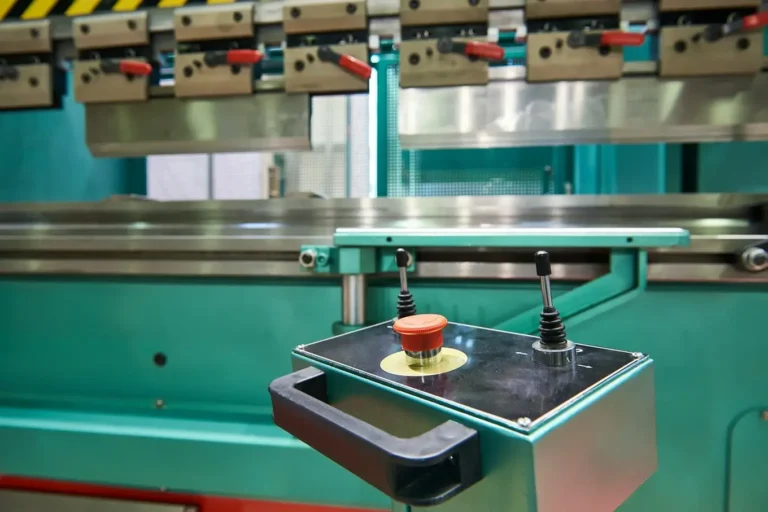
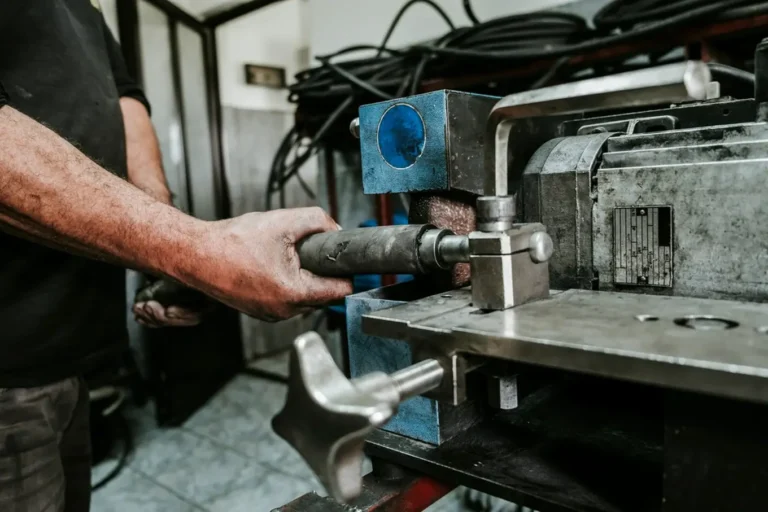
Working with metal punching machine It can be tiring for the operator, so it is worth paying attention to the device’s ergonomics. A well-chosen machine should be easy to operate and allow the operator to work comfortably. It is worth paying attention to features such as comfortable handles, an intuitive control panel and the ability to adjust the height of the worktop.
Of course, one of the key factors when choosing a metal punching machine is its price. However, it is worth bearing in mind that the cheapest machine will not always be the best option. Before making a purchase, it is also worth analysing the machine’s running costs, such as energy consumption, spare parts or the need for regular servicing.

 Polish
 English
 German
 French
 Portuguese
 Spanish