
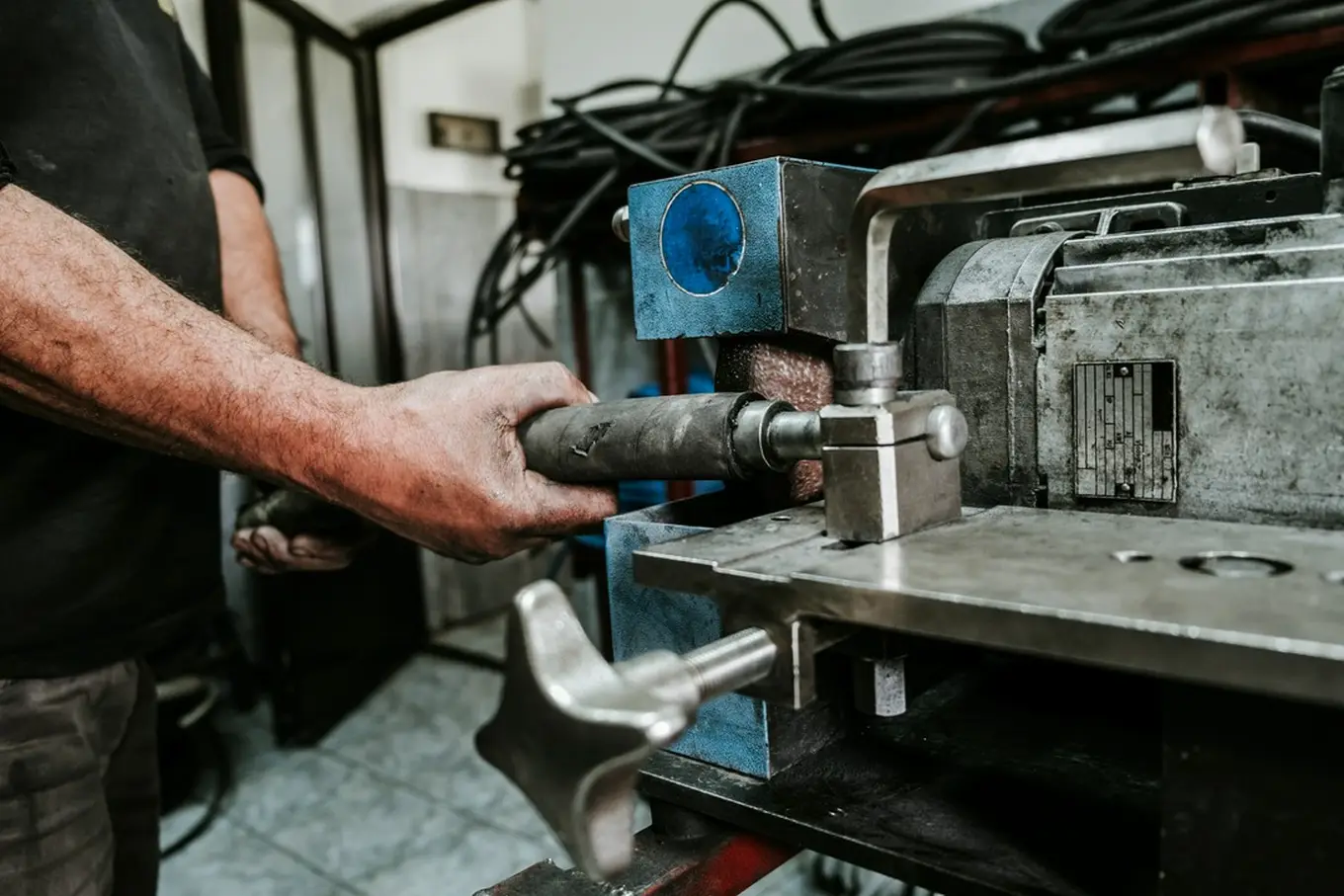
Hydraulic presses, which have long been an indispensable tool in many industries, are also evolving in line with technological advances. This raises the question: have manual hydraulic presses become a thing of the past? In this article, we will look at how the role of these machines in industry is changing.
The use of manual hydraulic presses
Manual hydraulic presses They play a key role in many industrial sectors, such as metallurgy, the automotive industry and plastics manufacturing. Their main advantages are ease of use and reliability. They enable the performance of precise operations – such as bending, stamping, forming and the assembly of components. Hydraulic press, despite its traditional design, offers high clamping force, enabling it to work on a wide variety of materials.
In this age of automation and advancing technology, Manual hydraulic presses still have their place in small and medium-sized enterprises. For many companies, they offer a more cost-effective solution compared to expensive, fully automated systems. Furthermore, in situations where greater flexibility is required and process control, manual presses work a treat.
The future of manual hydraulic presses
Although modern technologies and automation are becoming increasingly popular, manual hydraulic presses still have a future ahead of them. In many cases, particularly where precision is key and a personalised approach to each project, these machines are second to none. Furthermore, for many businesses, investing in automated systems may be too costly, so manual hydraulic presses remain a more attractive option.
Manual hydraulic systems are generally reliable and easy to maintain. Thanks to their simpler design, they are less prone to breakdowns and easier to repair. Proper maintenance and regular servicing ensure that the press remains in excellent condition for many years. Therefore, despite the growing popularity of automated solutions, manual hydraulic presses will continue to have their place in the market. Their reliability, cost-effectiveness and versatility mean that they remain a valuable tool in many industrial sectors.

 Polish
 English
 German
 French
 Portuguese
 Spanish