
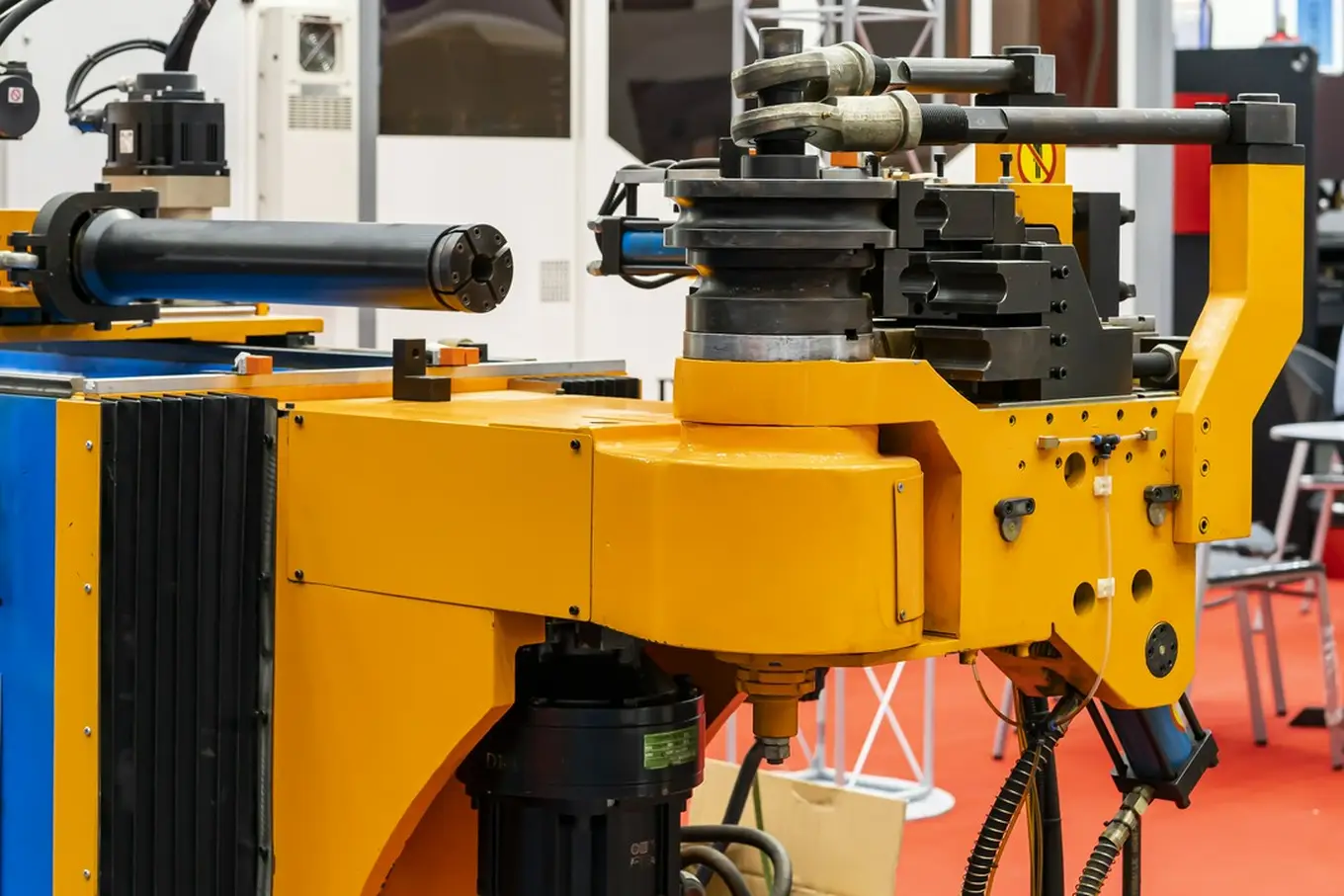
Hydraulic presses are an indispensable tool in many industries, from the automotive sector to the metallurgical industry. Their precision and power enable tasks to be carried out that would be impossible to perform by hand. However, incorrect use of these sophisticated machines can lead to serious breakdowns and accidents.
Incorrect settings and maintenance
One of the most common mistakes made when using hydraulic presses is incorrect setting of the machine’s operating parameters. Excessive pressure or an inappropriate operating speed may not only affect the quality of the final product, but also increase the risk of damage to the machine or even an accident. Precise adjustment of the settings to the type of material being processed and the specific operation is essential for optimising production processes and preventing overloads.
Regular and proper maintenance is another key aspect that is often neglected. Hydraulic presses They require regular inspections and the replacement of hydraulic oil, filters and seals to maintain their operational efficiency and performance. Neglecting these aspects can lead to breakdowns, unplanned production downtime and additional costs. Scheduled maintenance and appropriate training for operators in maintenance procedures are essential measures for ensuring the long-term, trouble-free operation of the presses.
Incorrect operation and safety procedures
Operating hydraulic presses requires not only the right skills, but also strict adherence to safety procedures. A common mistake is failing to carry out checks before starting work. Such negligence can lead to serious accidents, particularly when the machine is used to press large or heavy materials.
In addition, Operators are often not properly trained in the operation of a specific type of hydraulic press, which leads to errors in its operation. Incorrect loading of materials, incorrect settings or ignoring the machine’s warning signals are common problems resulting from a lack of knowledge or experience. Training and regular refresher courses are essential for maintaining high standards of safety and efficiency when working with hydraulic presses.

 Polish
 English
 German
 French
 Portuguese
 Spanish