
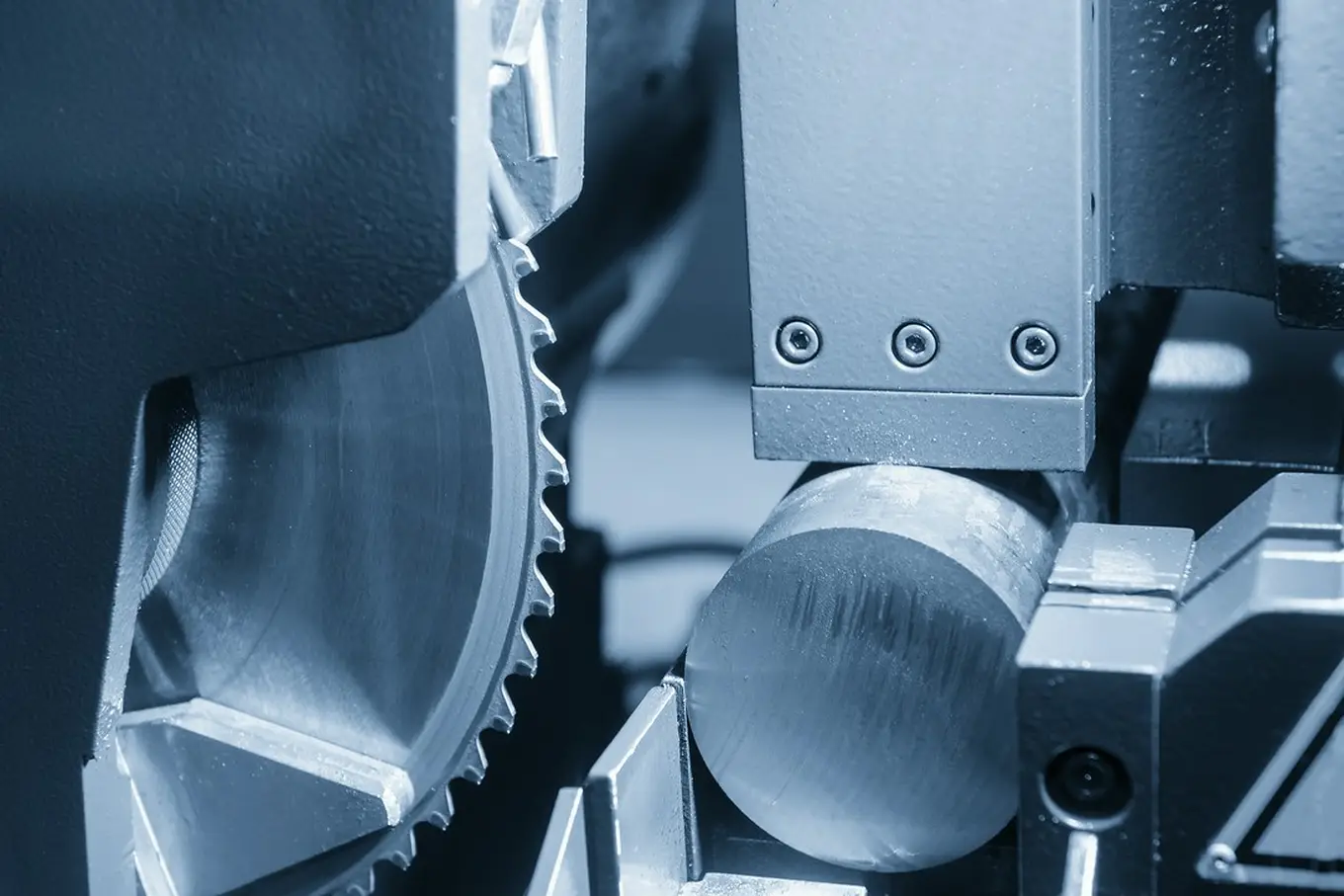
Choosing the right cutting dies for cutting bars is crucial for the quality and precision of various types of metal components produced in industrial and metalworking facilities. Accordingly, in the article below, we outline the types of tools used for cutting square and round bars of various diameters, as well as the materials from which they are made, to help you make the right decision.
Blanks for cutting square and round bars
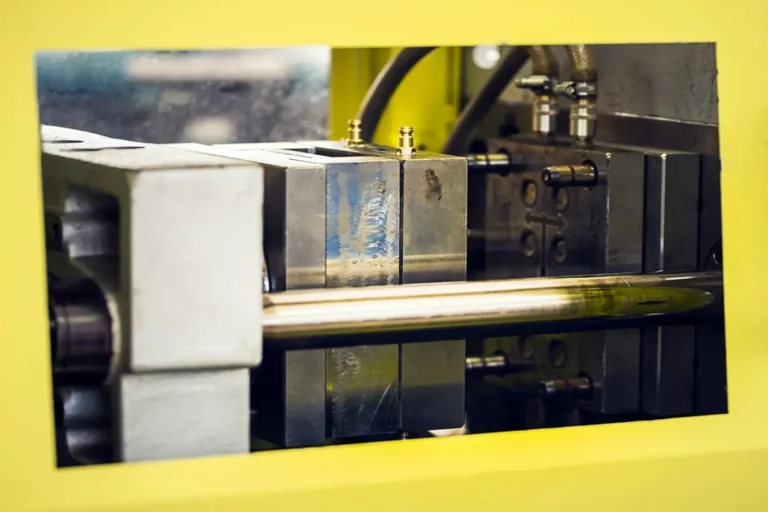
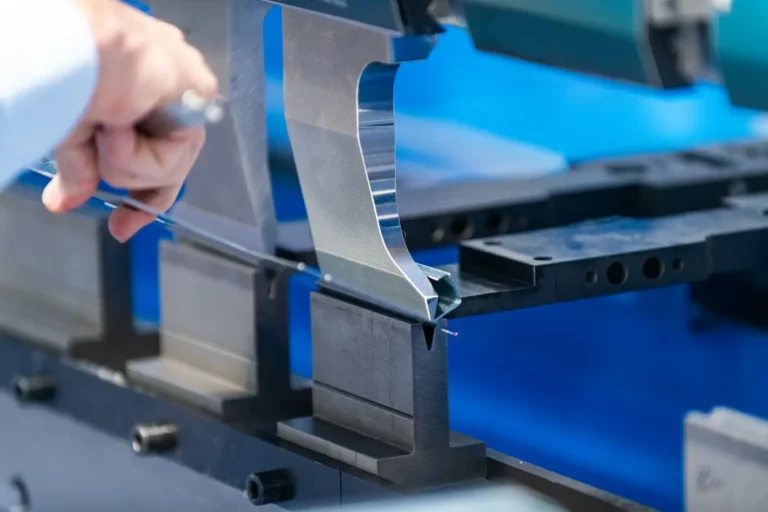
Punching dies are essential tools for working with metals, which are used to cut bars to the required lengths and shapes. Depending on requirements, various types of cutting dies can be used, each with its own specific parameters and a range of bar diameters that they are capable of cutting.
Tools for cutting bars with diameters of 4–10 mm and 10–16 mm are popular solutions used in the metalworking industry. They enable precise cutting of both round and square bars, which is essential for the production of machine components, steel structures and finishing elements.
Materials used in the manufacture of cutting dies
Quality die-cutting tools for cutting bars is crucial for the precision and durability of tools. That is why it is worth paying attention to the materials from which they are made. The punch and die – the basic components of a die-cutting tool – should be made of tool steel with the appropriate hardness and wear resistance.
One of the materials frequently used in the manufacture of cutting dies is NC11LV tool steel. It is characterised by high hardness (60 HRC), which ensures a long service life for the tool without the need for frequent replacement or sharpening. Furthermore, This steel is resistant to corrosion and abrasion, which also affects the service life of the die.
Choosing the right die – what should you look out for?
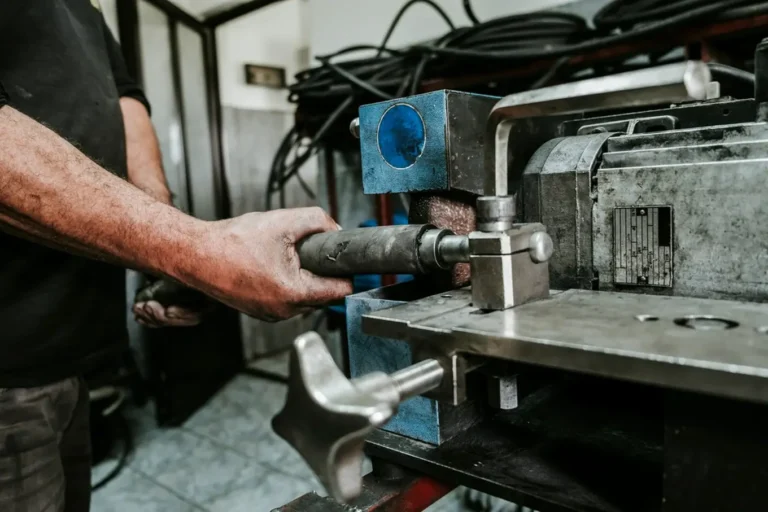
When choosing a die for cutting bars, it is worth bearing in mind a few important points. Firstly, The range of diameters of the bars to be cut must be specified. Furthermore, it is worth paying attention to the quality of the materials from which the punch and die are made. Last but not least, the ergonomics of the tool are an important consideration. Die-cutting tools should be comfortable to use, and operating them should not require excessive effort on the part of the operator.

 Polish
 English
 German
 French
 Portuguese
 Spanish