
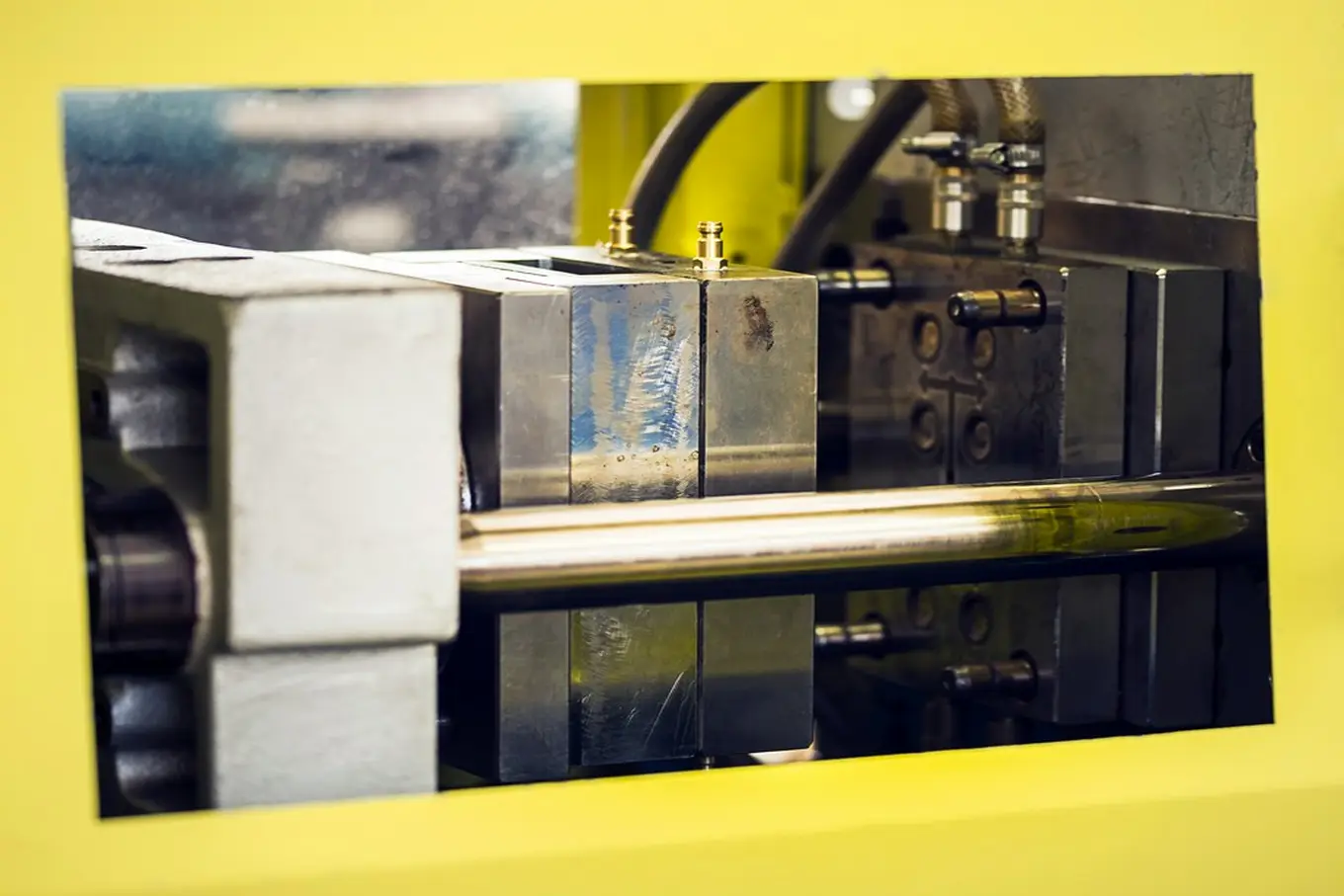
Thanks to advanced technology and a wide range of applications, industrial presses enable the rapid, precise and cost-effective production of components of various shapes and sizes. In this article, we will discuss the importance of presses in modern industrial production and the benefits of using them.
Functions and applications of industrial presses in the manufacture of components
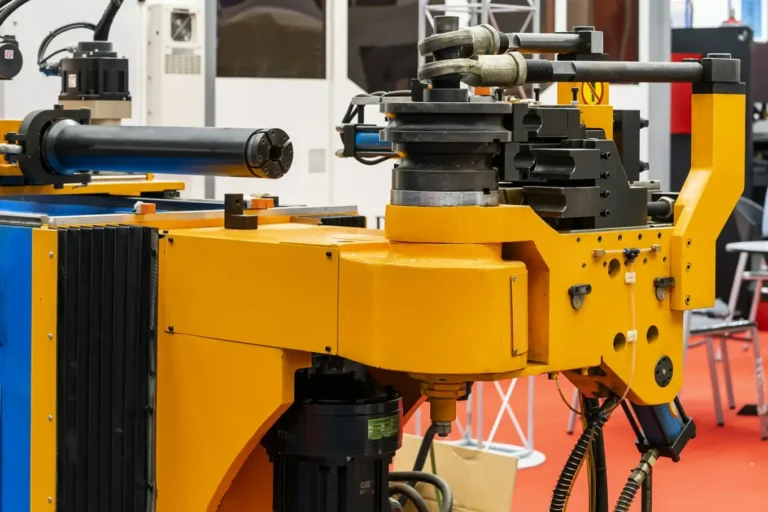
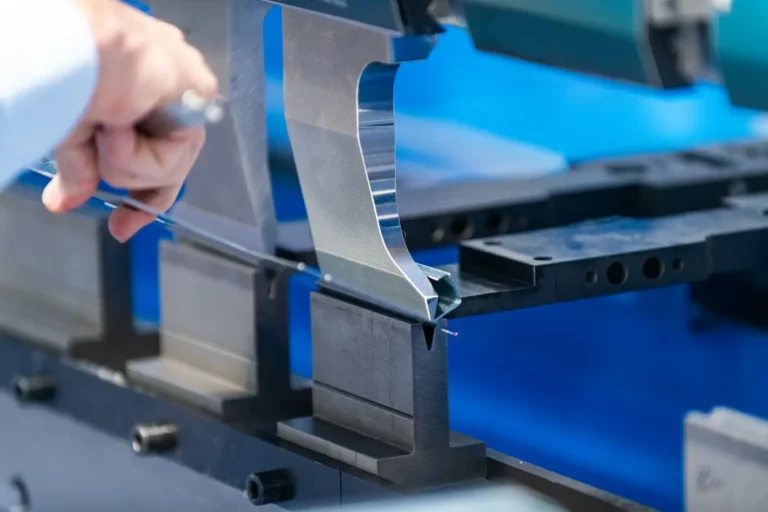
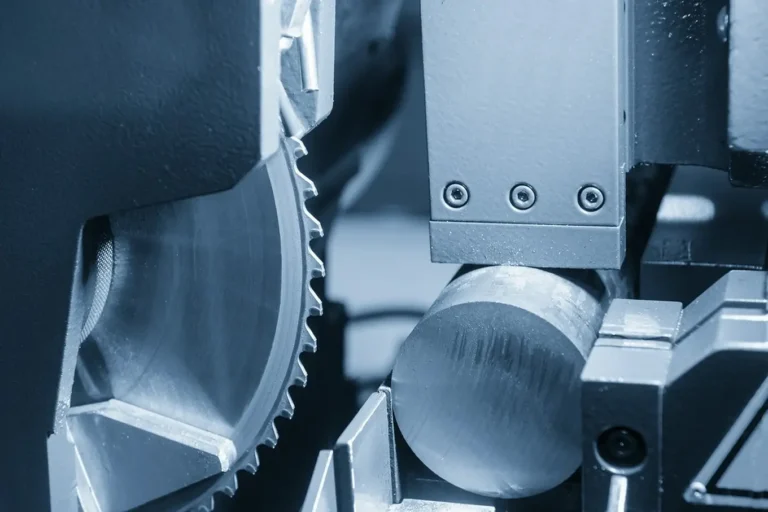
Industrial presses, including mechanical and hydraulic presses, are widely used across many industries, from the automotive to the electronics sectors. They are used for stamping, bending, cutting and forming components from sheet metal, plastics and other materials. Hydraulic presses are characterised by high pressing force and the ability to precisely adjust operating parameters. This makes it possible to the manufacture of components with complex shapes whilst maintaining high quality and consistency.
One of the most commonly used types of press is stamping press, which enables the mass production of components by applying pressure to material placed in a mould or die. Stamping allows for precision moulding of components, from simple cut-outs to complex shapes, whilst minimising material wastage and production time. Stamping presses are indispensable in mass production, where speed, precision and efficiency are key.
The benefits of using industrial presses
The use of industrial presses in the manufacture of components enables production automation, significantly reducing the time needed to produce a single component and minimising the number of errors and production waste. The automation of processes using industrial presses also enables increasing the productivity of production lines.
Another advantage of using industrial presses is the ability to process a wide range of materials, including steel, aluminium, copper and plastics. Furthermore, the use of advanced process control technologies, such as automatic force and position control systems, enables even greater precision and repeatability, which in turn enhances the quality of the final product.

 Polish
 English
 German
 French
 Portuguese
 Spanish