
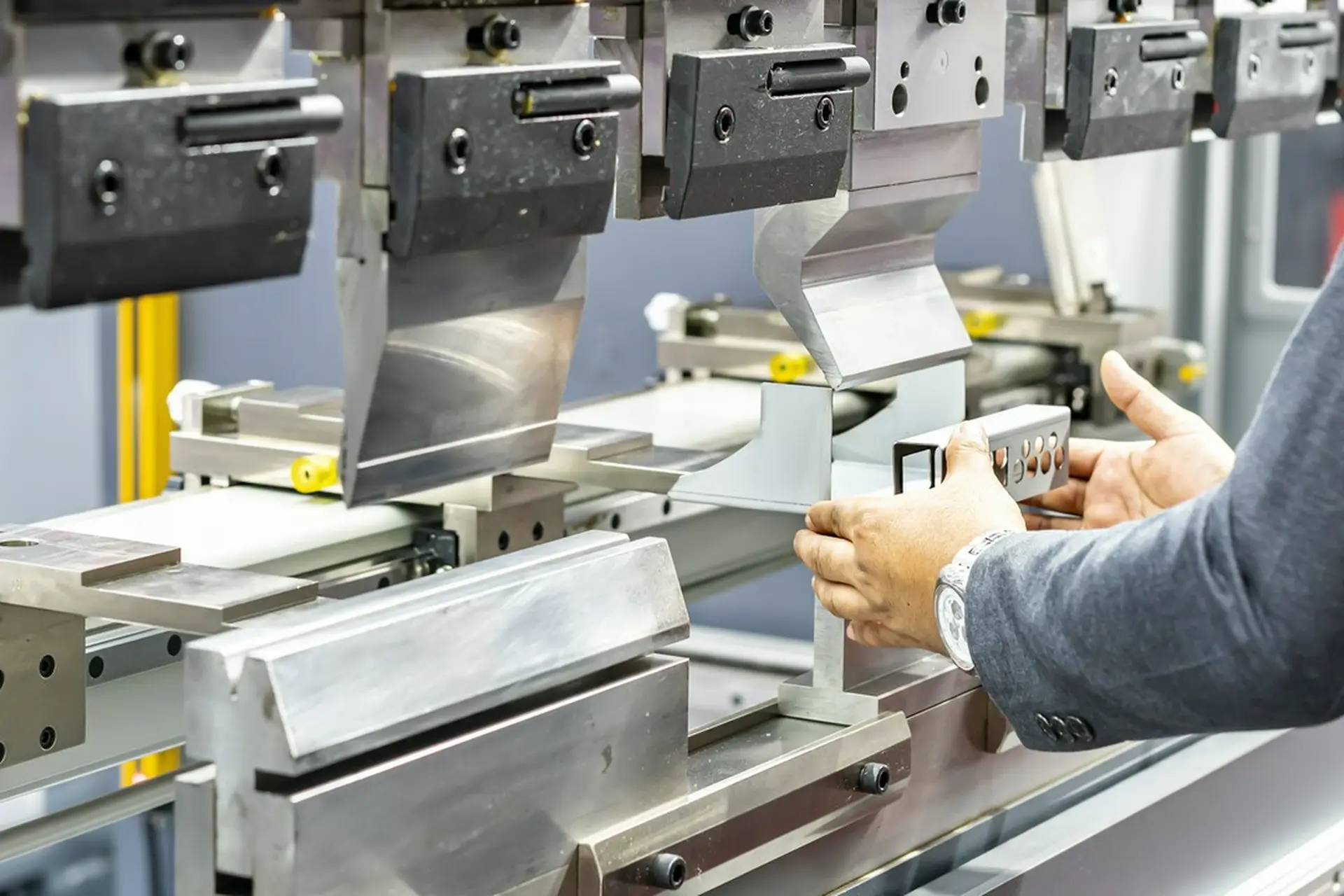
A hydraulic press is an extremely versatile tool that is widely used in the metalworking industry. Thanks to its precision and high pressing force, it enables a variety of sheet metal working operations, such as bending, stamping, punching and forming. In the article below, we will discuss in detail the types of sheet metal working that can be carried out using a hydraulic press.
Sheet metal bending and stamping
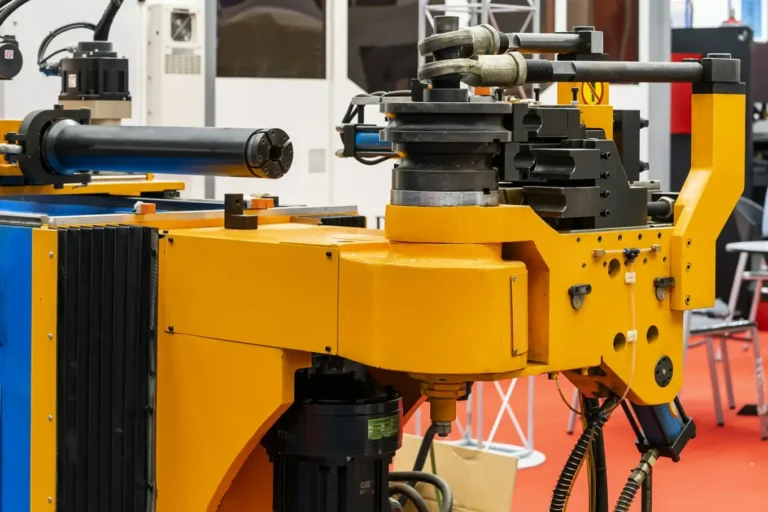
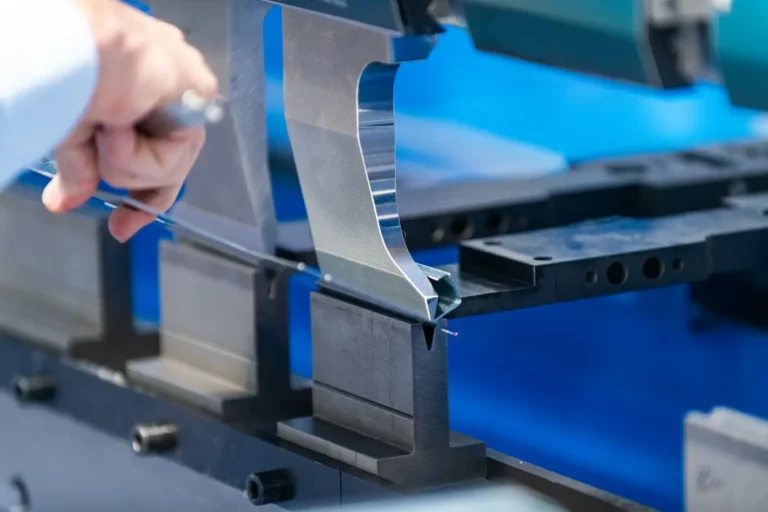
Bending is one of the basic sheet metal working operations, involving the reshaping of the material through plastic deformation. The hydraulic press enables the bending of sheet metal of various thicknesses and hardnesses thanks to precise control of the pressing force and the bending angle. This process enables the production of highly accurate shapes, which is crucial in the manufacture of structural components and equipment housings.
Stamping is another sheet metal forming process which involves giving the sheets a three-dimensional shape by extruding or drawing the material. Hydraulic press It is the ideal tool for this purpose, as it allows the pressure to be distributed evenly across the entire surface of the sheet metal, ensuring high quality and precision in the finished product. Sheet metal stamping is used, amongst other things, in the manufacture of tanks, car body parts and housings for domestic appliances.
Sheet metal cutting and forming
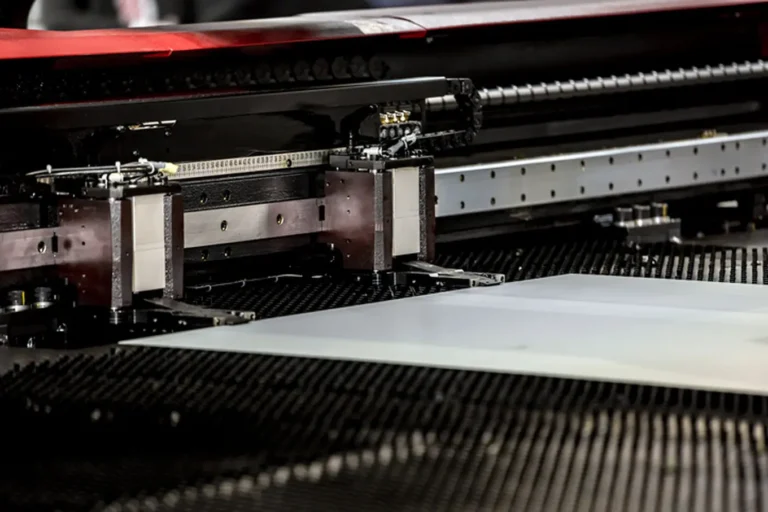
Punching is the process of cutting specific shapes out of sheet metal using special dies. A hydraulic press enables sheet metal to be punched with high precision and speed, making it one of the most efficient methods the manufacture of sheet metal components. Punching is widely used in industry, for example in the production of structural components, machine parts and components for electronic assembly.
Sheet metal forming, on the other hand, is a more advanced processing technique that enables the creation of complex shapes and structures through the plastic deformation of the material. A hydraulic press is ideal for this purpose. Sheet metal forming is used in the manufacture of components with high aesthetic and functional requirements, such as car panels or electronic device casings.

 Polish
 English
 German
 French
 Portuguese
 Spanish