
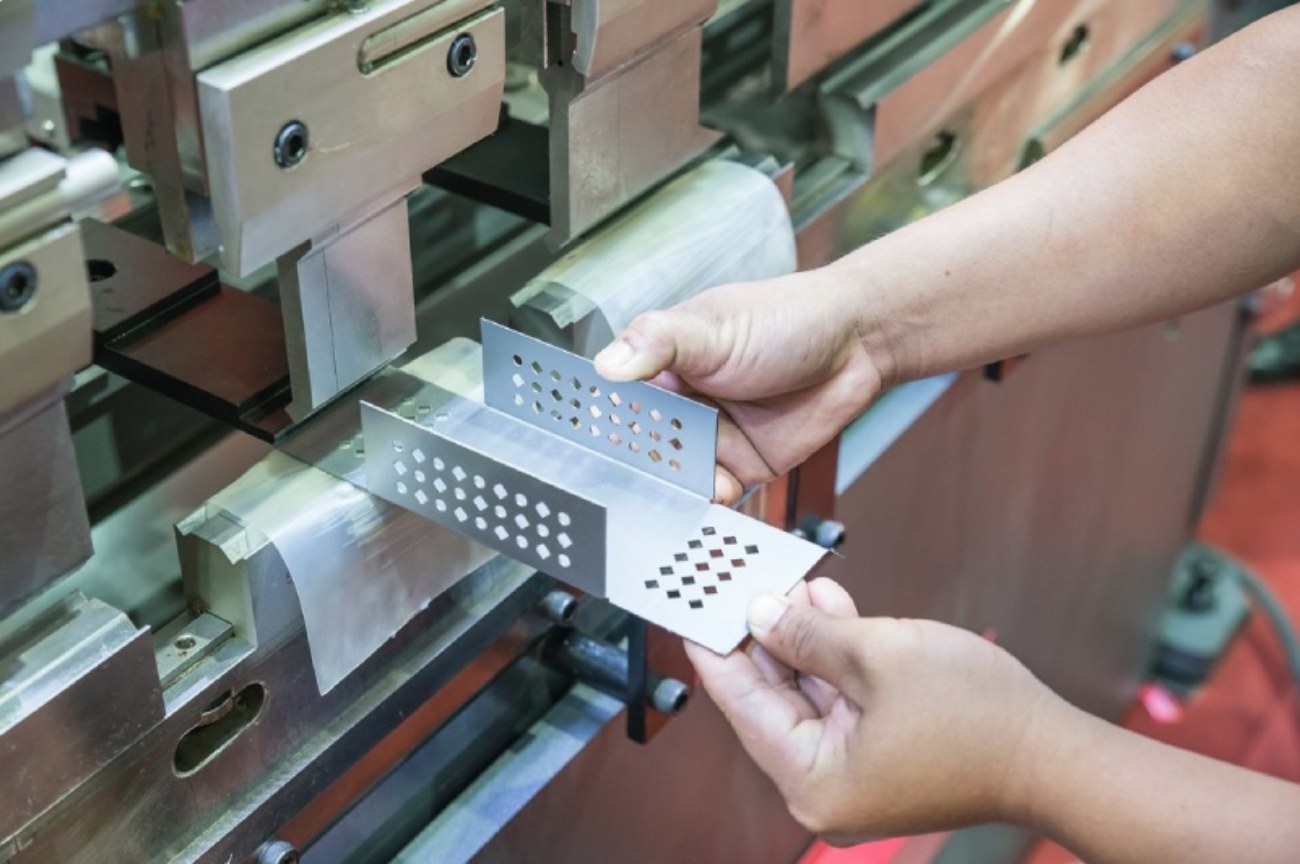
Specialist cutting dies are tools that offer a wide range of possibilities in terms of applications and process improvements across many industrial sectors. In this age of modern technology and growing market demands, such solutions enable significant savings in time and labour. The following article outlines the key features and applications of specialised cutting dies. We invite you to read on.
Properties and applications of specialised cutting dies
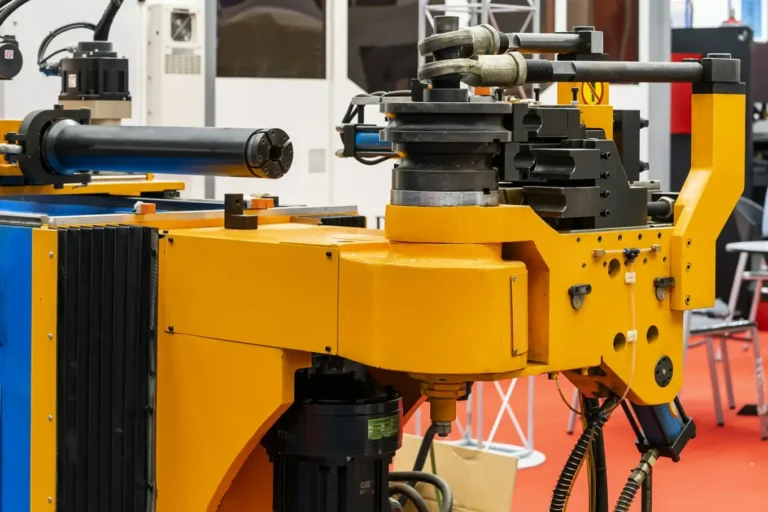
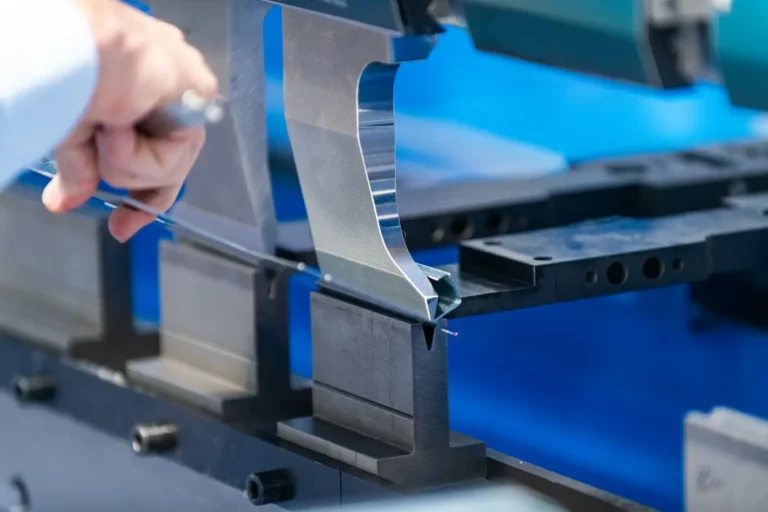
Specialist cutting dies comprise a wide range of tools that are manufactured to individual customer specifications, tailored to its specific needs and technical requirements. Examples of such tools include dies for cutting C-sections, corners in sheet metal or rectangular holes in profiles.
They enable a wide range of tasks to be carried out, such as metalworking, as well as the production of parts with unusual shapes. Due to their flexibility and the ability to adapt to specific requirements are becoming an essential part of many production processes.
Compatibility with various hydraulic presses
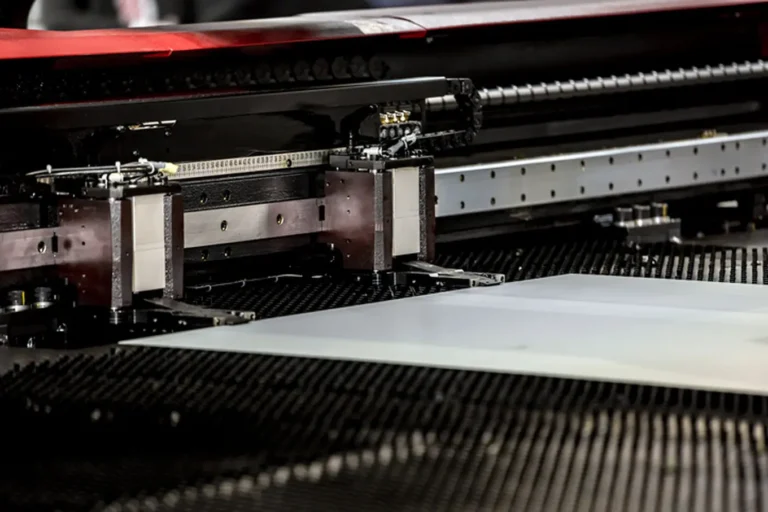
An important aspect of using specialist cutting dies is their compatibility with various types of hydraulic presses, such as eccentric or vertical hydraulic presses. Solutions of this kind enable devices to be more versatile and enable production facilities to carry out a variety of tasks using a single machine. As a result, this helps to reduce the costs associated with purchasing additional equipment and allows for the streamlining of the production process.
High quality and durability of materials
The quality and durability of the materials from which specialist cutting dies are made are also of crucial importance for their use. The use of tool steel hardened to 60 HRC ensures resistance to damage and long-lasting performance. This extends the service life of the tools and minimises the risk of breakdowns during operation.

 Polish
 English
 German
 French
 Portuguese
 Spanish