
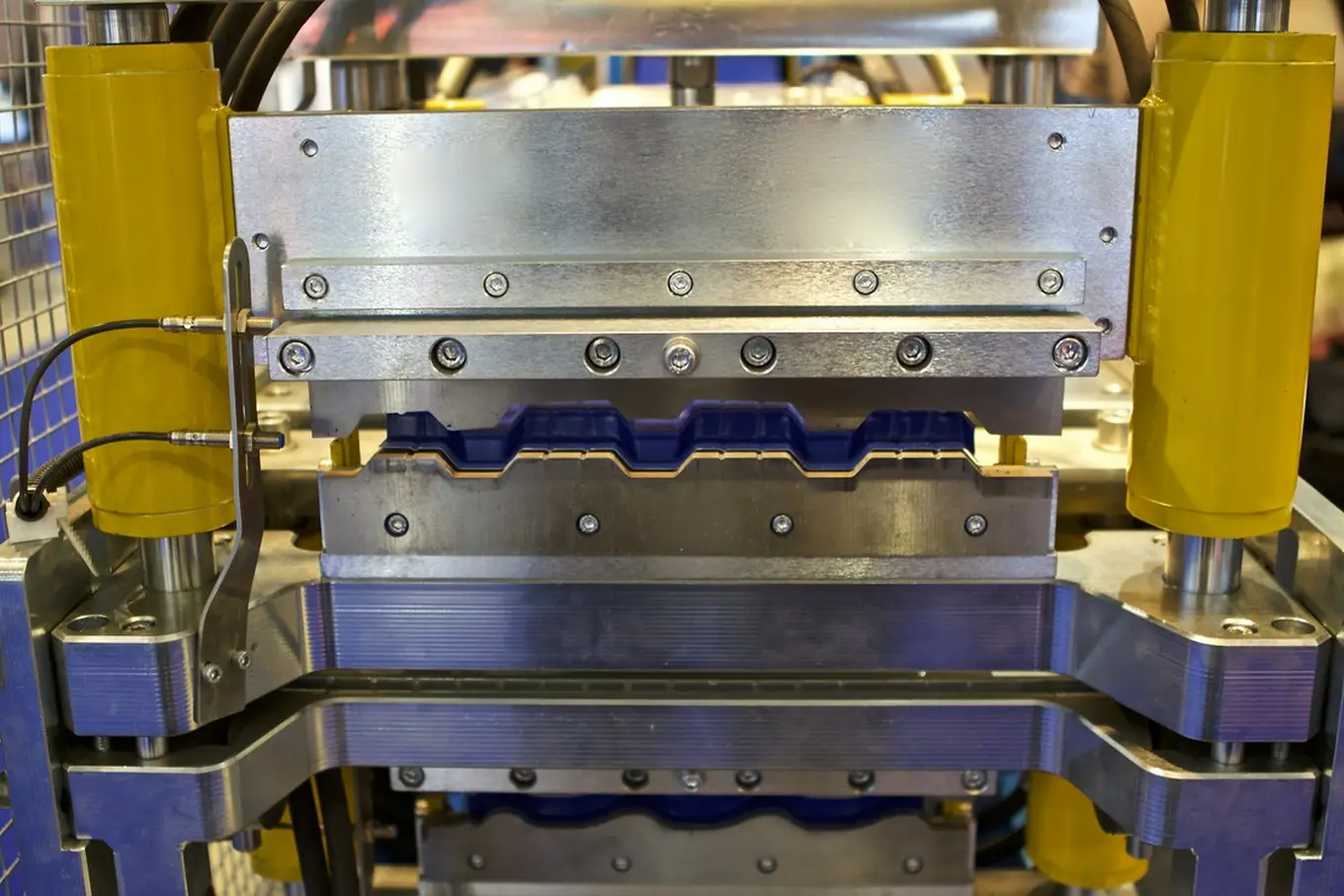
Hydraulic presses are an integral part of modern industry, used in particular for metalworking. They enable the forming, cutting, bending and rolling of a wide variety of products. Over the past few decades, hydraulic presses have come a long way, evolving from simple designs to advanced computer-controlled machines. In this article, we will take a closer look at the evolution of these extremely important machines.
The origins of hydraulic presses and technological development
The history of hydraulic presses dates back to the 19th century, when, in 1795, the British inventor Joseph Bramah patented the first machine of this type. Bramah utilised the principle of operation Pascal’s law, which states that the pressure exerted on a liquid contained in a vessel is distributed equally in all directions. Thanks to this invention, it became possible to transmit power over considerable distances, which paved the way for further technological development.
As technology advanced and electricity was introduced into industry, hydraulic presses began to evolve. In the first half of the 20th century, the first electric presses appeared, which allowed for greater control over the process and an increase in productivity. This has made it possible to automate production processes, which has contributed to the further development of industry.
The introduction of automation and computerised control
The next stage in the evolution hydraulic presses was the introduction of automation and computerised control. In the 1960s and 1970s, control systems based on relay logic began to be used, which allowed for process automation and the elimination of errors caused by human factors. In the years that followed, advances in computer technology made it possible to introduce advanced control systems, such as programmable logic controllers (PLCs) and CAD/CAM computer systems.
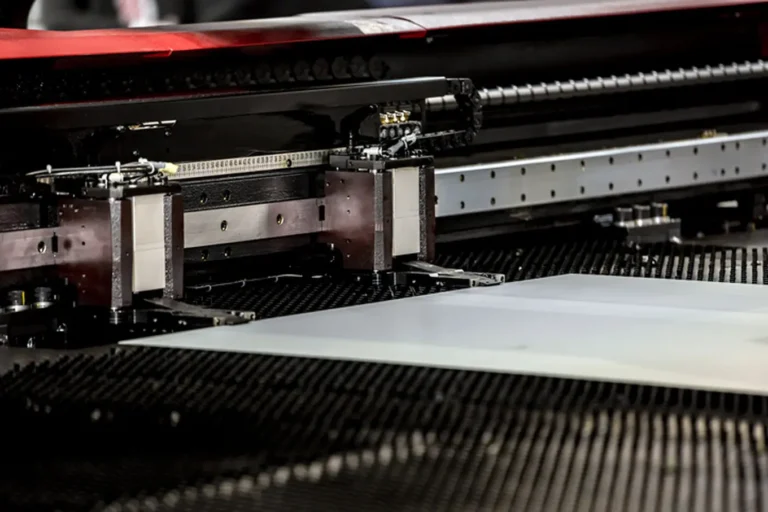
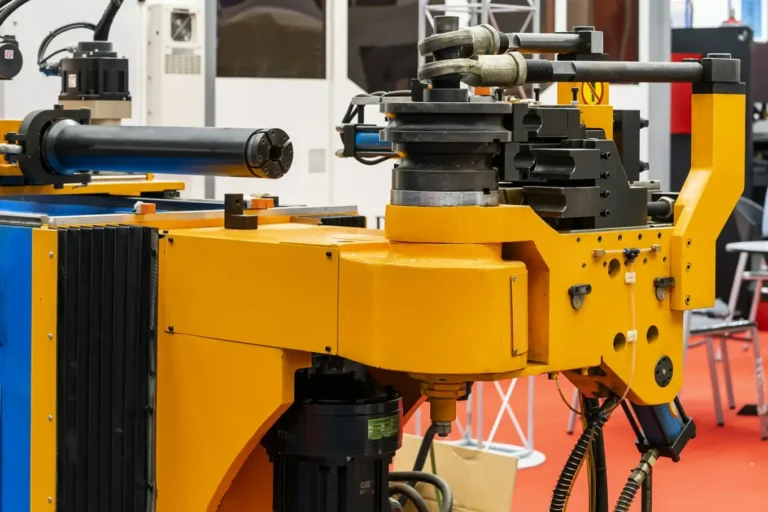
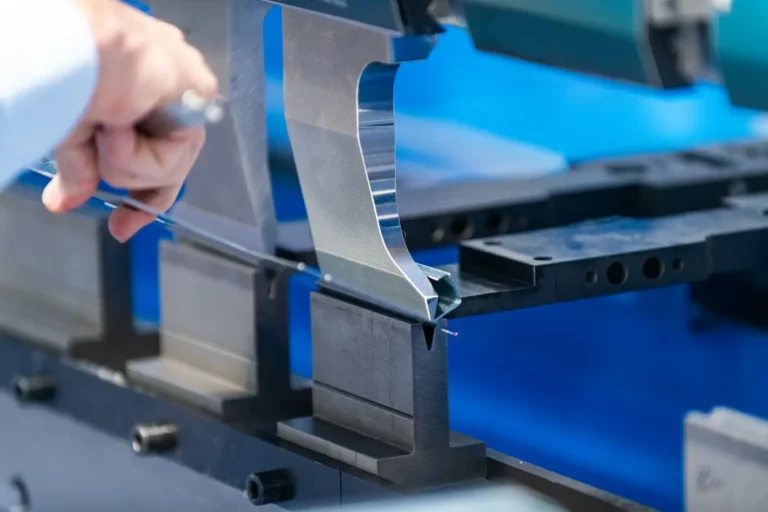
Today, hydraulic presses are sophisticated machines that are used in many different industries. They are used, amongst other things, in the automotive, aerospace, shipbuilding and energy industries. Thanks to the use of modern technologies, such as numerical control, hydraulic presses enable the precise forming and machining of materials, which results in high-quality products.

 Polish
 English
 German
 French
 Portuguese
 Spanish